

In today’s fast‑paced world, students, young professionals, and even working adults often juggle academics, jobs, hobbies, and social life. It’s easy to get caught up in trying to do it all, but pushing too hard in one area can leave other parts of life neglected—burnout, loneliness, poor health, or declining performance can follow. The key is striking a healthy balance between extracurricular activities and social life.
This post explores why balancing social life and extracurricular activities matters, the benefits and pitfalls of both, and actionable strategies to find harmony. If you want to improve your time management, avoid burnout, and enjoy a more fulfilling life, read on.
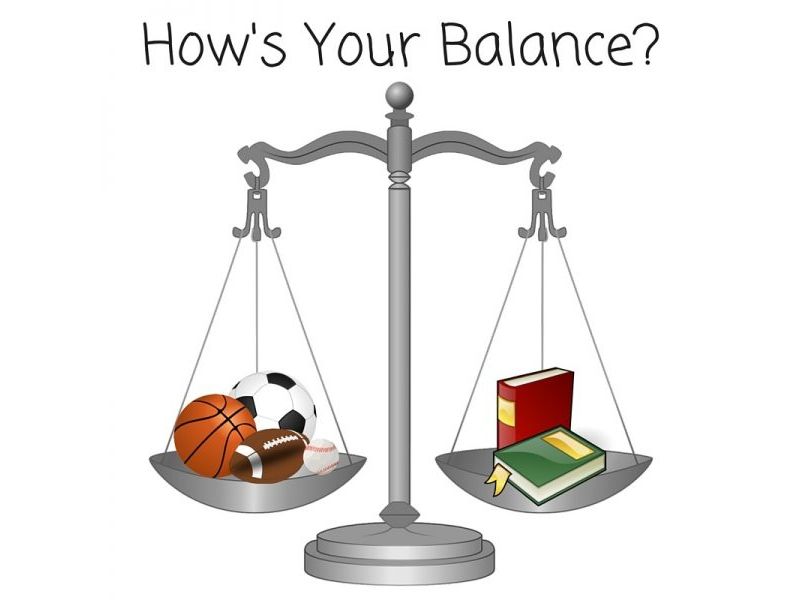
1. What We Mean by Social Life & Extracurricular Activities
Before diving in, let’s clarify what these terms include.
- Social Life: Interactions, relationships, fun time with friends and family, leisure, relaxation, casual engagements—everything from dinner with friends, going to a movie, hanging out, to celebrations or quality alone time.
- Extracurricular Activities (ECAs): Activities outside of the core demands of school or work. For students, this might include sports, arts, clubs, volunteering, music, debate, dance; for working professionals, hobby groups, fitness classes, side projects, volunteering, creative pursuits.
Both contribute value—but they also consume time and energy. The goal is not to eliminate one in favour of the other, but to balance.
2. Why the Balance Matters
Balancing social life and extracurriculars isn’t just about avoiding overload—it supports many aspects of a healthy, successful life.
Mental and Emotional Well‑Being
- Stress Relief: Engaging in hobbies or socializing provides breaks from the intensity of work or study. It lowers anxiety, helps reset the mind. Extracurriculars like sports, art, outdoor activities are strong stress busters. Wilson Online+2Nord Anglia Education+2
- Sense of Belonging & Self‑Esteem: Being part of a club, team, community helps you feel connected. It boosts self‑confidence and emotional resilience when you contribute, succeed, or simply share experiences. Little Earth Forest School+2Presidency+2
Academic / Work / Performance Benefits
- Improved Time Management: When you have multiple commitments (academics + ECAs + social time), you learn to plan better. Prioritizing tasks, scheduling, being efficient. Little Earth Forest School+221K School India+2
- Better Learning: Certain extracurriculars—debate, coding, music—boost skills that transfer to academic or professional settings: critical thinking, creativity, focus. Learnmate.+2World Schools+2
- Motivation & Engagement: Participants in ECAs often feel more connected to their institutions (school/college), which can improve attendance, participation, and learning outcomes. Little Earth Forest School+2Learnmate.+2
Physical Health Implications
- Regular Activity & Fitness: Many extracurriculars are physical (sports, dance etc.), which improves cardiovascular health, strength, flexibility; also helps in maintaining body weight. Wilson Online+1
- Better Sleep & Lower Health Risks: Balanced schedule with physical activity and rest helps regulate sleep; chronic overworking or overscheduling tends to degrade health. (“Overscheduling children” articles show negative impacts when rest is sacrificed.) Verywell Family
Social Skills, Networking, and Relationships
- Teamwork, Communication & Leadership: ECAs often have leadership roles or involve collaboration. These build real‐world soft skills. Little Earth Forest School+1
- Friendships & Support Networks: Social time plus extracurriculars bring you together with like‑minded people; these relationships can support backing in difficult times. Nord Anglia Education+1
- Broader Perspectives & Social Awareness: Especially from ECAs like community service, cultural clubs etc. You engage with diverse people, maybe even issues outside your immediate context. Little Earth Forest School+1
3. Challenges & Common Pitfalls
While the benefits are many, imbalance is common and can lead to issues. Recognizing pitfalls early can help you avoid or mitigate them.
Overcommitment and Burnout
Taking on too many extracurriculars or packed social schedules without rest increases stress, reduces effectiveness, and may lead to burnout. Verywell Family+2Reddit+2
Guilt, FOMO, and Social Pressure
- Guilt when you can’t attend every social gathering or every club meeting.
- Fear of Missing Out (FOMO) pushes people to overextend socially.
- Peer / parental pressure to excel both academically and extracurricularly.
These pressures can make you say “yes” when you should say “no.”
Decline in Quality of Work or Relationships
Spreading yourself too thin often impacts the depth and quality of whatever you do. Grades may suffer, performance in ECAs may drop, or relationships may become shallow or neglected because time/energy is insufficient.
Physical Health & Sleep Issues
Sacrificing sleep, skipping meals, reducing rest for the sake of more hours in clubs or socializing is a recipe for reduced immune system, mood drops, decreased focus, and long‑term health issues.
4. How to Find a Healthy Balance
Here are strategies to help you balance social life and extracurricular activities without sacrificing well‑being or performance.
Self‑Awareness: Know Your Priorities
- Ask yourself: What are your most important goals? Is it getting good grades? Building certain skills? Maintaining good friendships?
- Recognize your limits: how long you can work/study/participate before feeling drained. Energy levels matter.
Setting Goals and Boundaries
- Define short‑term and long‑term goals for academics, extracurriculars, social life.
- Decide non‑negotiables: for example, sleep hours, family time, rest days.
- Boundaries around social media, phone use, to reduce distraction and regain time.
Time Management Tools & Techniques
- Timetables / Schedules: Weekly planners. Block calendar slots for study, ECAs, social time.
- Prioritisation matrix (urgent vs important) to decide what takes precedence on busy days.
- Pomodoro method, batching tasks, eliminating low‑value activities.
- Use tools/apps (Google Calendar, Todoist, Notion etc.).
Learning to Say No
- Politely decline when something doesn’t align with your priorities or when load is too much.
- Avoid committing out of fear or because others expect you to.
Saying “no” frees up space for what matters more.
Quality Over Quantity
- It’s better to do fewer activities well than many poorly.
- Deep involvement yields more growth (leadership roles, real impact) than superficial membership in many things.
Building in Downtime & Self‑Care
- Rest, hobbies, alone time are not optional—they are essential.
- Make sure to have breaks between intense periods.
- Sleep, good nutrition, physical activity all support balancing demands.
Regular Review & Adjustment
- Once a month or once a term, reflect: which activities are giving you value? Which ones are causing stress or taking too much time for the benefit?
- Be willing to drop or reduce involvement in some areas to rebalance.
5. Practical Tips & Examples
Here are concrete suggestions and sample plans to help you put these ideas into action:
| Tip | How to Apply | Example Scenario |
|---|---|---|
| Time Audit | Track what you spend time on for one week: studying, social, ECAs, rest. Identify leaks and overcommitments. | A high school student notices that 2 hrs/day on social media could be part of ECAs or helped with homework. |
| Weekly Schedule with Blocks | Allocate fixed slots: e.g., Monday, Wednesday 6‑8pm for sports; Tuesday/Thursday mornings for study; Friday evening social. | College student sets aside Friday night only for friends; Sunday afternoon as rest/self‑care. |
| Prioritise Key ECAs | Select 2‑3 extracurriculars that align with your passions or goals. Focus energy there. | Someone who loves music and coding chooses choir and coding club, drops lesser interest clubs. |
| Use Free / Downtime Smartly | Instead of social media or idle waiting, use small gaps for micro‑tasks: review notes, reply to emails, plan. | Between classes, revise flashcards; waiting for meeting, plan social plan. |
| Communicate with Friends / Family / Mentors | Let people know your schedule and boundaries so social expectations are realistic. | “Hey, I can’t hang out every weekend because of my weekly club schedule, but let’s plan for next month.” |
| Set Social/Rest Days | Schedule in days where no ECAs or studying is planned. Just social or rest. | Sundays off, one weeknight free for friends or leisure. |
| Monitor Mental & Physical Signs | Fatigue, irritability, drop in performance = signals. Act early: reduce load, rest, talk. | Getting poor sleep and low grades → skip one club meeting, cut back activities temporarily. |
6. Conclusion
Balancing social life with extracurricular activities is not about perfection. It’s about being intentional. It’s about knowing what you value, making choices consistent with those values, and treating self‑care as a key part of the equation.
By applying self‑awareness, goal setting, smart time management, and being okay with saying “no,” you can develop a schedule that allows room for friendship, growth, rest, and achievement. Over time, you’ll learn your own rhythm—what works for you rather than trying to match someone else’s pace.
सामाजिक जीवन और अतिरिक्त गतिविधियों के बीच संतुलन: संपूर्ण जीवन के लिए आवश्यक मार्गदर्शन
आज की तेज़ रफ्तार दुनिया में छात्र, युवा पेशेवर और यहां तक कि कामकाजी लोग भी पढ़ाई, नौकरियों, शौक़ों और सामाजिक जीवन के बीच संतुलन बनाने की कोशिश करते हैं। यह संतुलन बनाना इतना आसान नहीं होता। अगर किसी एक चीज़ पर ज़्यादा ज़ोर दिया जाए तो बाकी चीज़ें पीछे छूट सकती हैं—तनाव, अकेलापन, स्वास्थ्य समस्याएं या प्रदर्शन में गिरावट आम हो जाती है।
इस ब्लॉग में हम जानेंगे कि सामाजिक जीवन और अतिरिक्त गतिविधियों (Extracurricular Activities) के बीच संतुलन क्यों ज़रूरी है, इसके क्या फायदे हैं, क्या नुकसान हो सकते हैं, और कैसे इस संतुलन को साधा जा सकता है।
1. सामाजिक जीवन और अतिरिक्त गतिविधियाँ: अर्थ क्या है?
इन दोनों का मतलब क्या है, इसे समझना ज़रूरी है:
- सामाजिक जीवन (Social Life): दोस्तों और परिवार के साथ समय बिताना, घूमना, मिलना-जुलना, जन्मदिन मनाना, पार्टी में जाना, अकेले में कुछ अच्छा समय बिताना, यानी जो चीज़ें आपके सामाजिक संबंधों और मानसिक विश्राम से जुड़ी होती हैं।
- अतिरिक्त गतिविधियाँ (Extracurricular Activities): स्कूल या काम के अलावा की गई गतिविधियाँ जैसे खेल, संगीत, डांस, डिबेट, क्लब, वॉलंटियरिंग, आर्ट, या फिर कोई साइड प्रोजेक्ट।
इन दोनों में से किसी को भी पूरी तरह त्यागना सही नहीं होगा। उद्देश्य यह है कि दोनों के बीच एक संतुलित तालमेल बनाकर चला जाए।
2. संतुलन क्यों ज़रूरी है?
मानसिक और भावनात्मक स्वास्थ्य
- तनाव से राहत: जब आप पढ़ाई या काम से हटकर सामाजिक या शौक़ वाली गतिविधियों में शामिल होते हैं, तो मानसिक तरोताज़गी मिलती है।
- आत्म-विश्वास और जुड़ाव: किसी क्लब, टीम या समुदाय का हिस्सा बनकर आत्म-सम्मान और भावनात्मक मजबूती मिलती है।
शैक्षणिक और पेशेवर लाभ
- समय प्रबंधन में सुधार: जब आप अलग-अलग जिम्मेदारियों को संभालते हैं, तो खुद-ब-खुद आप टाइम मैनेजमेंट सीख जाते हैं।
- सीखने में रुचि बढ़ती है: जैसे संगीत, डिबेट, कोडिंग आदि जैसी गतिविधियाँ मानसिक विकास में सहायक होती हैं।
- प्रेरणा और संलग्नता: जो छात्र या कर्मचारी ECAs में हिस्सा लेते हैं, वे अपने स्कूल या ऑफिस से अधिक जुड़ाव महसूस करते हैं।
शारीरिक स्वास्थ्य का महत्व
- फिटनेस और सक्रियता: खेल, डांस, योग जैसी गतिविधियाँ आपके शरीर को एक्टिव बनाए रखती हैं।
- अच्छी नींद और सेहत: जब आपका शेड्यूल संतुलित होता है, तो नींद और पोषण का भी ख्याल रहता है।
सामाजिक कौशल और नेटवर्किंग
- नेतृत्व और टीमवर्क: टीम में काम करना, बोलना, लीड करना—ये सभी स्किल्स ECAs में विकसित होते हैं।
- दोस्ती और सपोर्ट सिस्टम: क्लब या ग्रुप में आपको नए दोस्त मिलते हैं और भावनात्मक सहारा भी।
- विविधता को समझना: सामाजिक या सेवा-आधारित ECAs से आप विभिन्न पृष्ठभूमि के लोगों को समझते हैं।
3. असंतुलन की चुनौतियाँ और समस्याएं
ज़्यादा व्यस्तता और थकावट
बहुत सारे क्लब्स, क्लासेज़ या सामाजिक कार्यक्रमों में शामिल होने से आपका शरीर और दिमाग़ थक जाता है—यह बर्नआउट का कारण बन सकता है।
अपराधबोध और सोशल प्रेशर
- FOMO (Fear of Missing Out): सब कुछ करने की चाह में आप खुद को तनाव में डाल लेते हैं।
- गिल्ट होता है जब आप किसी को ना कह देते हैं या किसी प्लान का हिस्सा नहीं बन पाते।
- सामाजिक दबाव: दोस्तों, माता-पिता या सोशल मीडिया से तुलना करना।
काम या रिश्तों की गुणवत्ता में गिरावट
बहुत अधिक चीज़ों में शामिल होने से आप किसी भी चीज़ पर ध्यान नहीं दे पाते। न तो आपके रिश्ते अच्छे रह जाते हैं और न ही पढ़ाई या काम में अच्छा प्रदर्शन कर पाते हैं।
शारीरिक स्वास्थ्य पर असर
नींद की कमी, अनियमित भोजन और कोई आराम न मिलने से शरीर की इम्युनिटी कमजोर होती है और मूड खराब रहता है।
4. कैसे बनाएं एक संतुलित जीवन
आत्म-ज्ञान और प्राथमिकताएं
- सबसे पहले अपने आप से पूछें: मेरे लिए सबसे ज़रूरी चीज़ क्या है?
- अपनी सीमाओं को जानें—आप कब थकते हैं, कितनी ऊर्जा आपके पास है।
लक्ष्य तय करना और सीमाएं बनाना
- छोटे और बड़े लक्ष्य सेट करें: जैसे हर सप्ताह 2 घंटे संगीत, हर शनिवार दोस्तों से मिलना।
- “ना” कहने की सीमा बनाएं—हर प्लान का हिस्सा बनना ज़रूरी नहीं है।
समय प्रबंधन तकनीकें
- साप्ताहिक प्लानर या शेड्यूल बनाएं।
- Google Calendar, Notion या कोई ऐप इस्तेमाल करें।
- Pomodoro Technique, समय ब्लॉकिंग या “Priority Matrix” का उपयोग करें।
“ना” कहने की कला
- विनम्रतापूर्वक मना करना सीखें।
- दूसरों की अपेक्षाओं के कारण अपनी प्राथमिकताओं से समझौता न करें।
गुणवत्ता बनाम मात्रा
- बहुत सारी गतिविधियों में सतही रूप से शामिल होने के बजाय कुछ ही में गहराई से भाग लें।
- इससे आपकी ग्रोथ और सीखने की क्षमता बेहतर होगी।
खुद की देखभाल और विश्राम
- हर सप्ताह कुछ समय “निश्क्रियता” के लिए रखें।
- नींद, पोषण और मन की शांति के लिए ब्रेक ज़रूरी हैं।
नियमित समीक्षा और समायोजन
- महीने में एक बार रिव्यू करें: कौन-सी गतिविधि तनाव दे रही है? कौन सी खुशी दे रही है?
- अगर ज़रूरत हो तो कोई क्लब छोड़ें या किसी चीज़ की अवधि कम करें।
5. व्यावहारिक सुझाव और उदाहरण
| सुझाव | क्या करें | उदाहरण |
|---|---|---|
| समय का ऑडिट करें | एक सप्ताह तक देखें कि समय कहां जाता है—पढ़ाई, सोशल मीडिया, ECAs। | छात्र को पता चला कि वह हर दिन 2 घंटे Instagram पर बर्बाद कर रहा है। |
| साप्ताहिक शेड्यूल बनाएं | सोमवार-बुधवार को ECAs, शुक्रवार को सोशल टाइम, रविवार को आराम। | कॉलेज छात्र ने शुक्रवार रात को सिर्फ दोस्तों के लिए रखा। |
| मुख्य गतिविधियाँ चुनें | केवल 2-3 ECAs जो आपके लक्ष्य से मेल खाते हैं, उन्हीं पर फोकस करें। | छात्र ने म्यूजिक और कोडिंग क्लब को चुना, बाकी छोड़ा। |
| छोटे ब्रेक का सही उपयोग करें | क्लास के बीच में या ट्रैवल टाइम में छोटे टास्क करें। | बस में बैठकर फ्लैशकार्ड दोहराए। |
| संपर्क में रहें | अपने दोस्तों और परिवार को अपने शेड्यूल के बारे में बताएं। | “मैं हर हफ्ते फ्री नहीं हूं, लेकिन अगले शनिवार चलेंगे।” |
| आराम का दिन रखें | एक दिन पूरी तरह खुद के लिए रखें—कोई काम नहीं। | रविवार पूरी तरह सोशल-मीडिया फ्री और आराम का। |
| स्वास्थ्य के संकेतों को पहचानें | थकान, चिड़चिड़ापन, फोकस की कमी = संतुलन बिगड़ा है। | अगर पढ़ाई में मन नहीं लग रहा, तो एक क्लब से ब्रेक लें। |
6. निष्कर्ष
संतुलन बनाना कोई एक दिन की बात नहीं है, यह एक सतत प्रक्रिया है। यह किसी और की तुलना में बेहतर करने का मामला नहीं है, बल्कि खुद के लिए सही रास्ता चुनने की बात है।
अगर आप अपने लिए सही प्राथमिकताएं तय करें, समय का सही प्रबंधन करें, और खुद की देखभाल को प्राथमिकता दें, तो आप एक ऐसा जीवन जी सकते हैं जिसमें न तो खुशी की कमी हो, न ही उपलब्धियों की।