
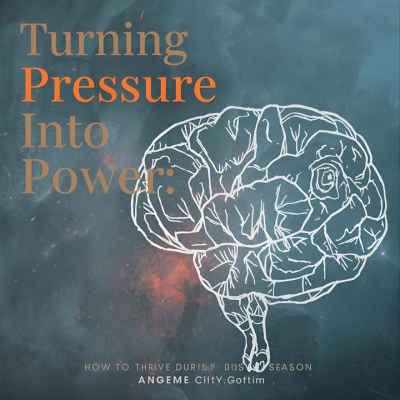
Discover how employees can transform workplace pressure into personal power. Learn proven strategies to stay motivated, productive, and resilient during busy seasons while protecting well-being and boosting performance.
Busy seasons at work can feel like standing in front of a tidal wave—tasks coming from every direction, deadlines multiplying, and expectations rising. But pressure doesn’t have to break you. With the right mindset and tools, it can push you to new levels of growth, focus, and success.
In fact, some of the most successful professionals share one thing in common: they learned how to turn pressure into power.
In this blog, you’ll learn exactly how to do that—without burning out, losing yourself, or sacrificing your well-being. Whether you’re an employee facing a demanding quarter or a leader guiding a team through high-stakes projects, these insights will help you not only survive busy seasons—but thrive in them.
1. Understanding Pressure: Why Busy Seasons Feel Overwhelming
Before you transform pressure, you need to understand it.
Pressure isn’t just workload—it’s the sense of urgency, uncertainty, and expectations wrapped around that workload. Busy seasons create:
- Compressed deadlines
- Increased responsibility
- Higher expectations from leaders and clients
- Less personal time
- More decisions in less time
This combination activates your body’s stress response. But here’s the interesting part:
Pressure can be positive or negative depending on how you interpret it.
The Two Types of Pressure
- Distress (Negative Stress):
When pressure feels like too much, too fast, with no control. This leads to exhaustion, burnout, and reduced performance. - Eustress (Positive Stress):
A healthy form of pressure that increases focus, energy, and motivation. It pushes you to do your best work.
Your goal isn’t to eliminate pressure—it’s to shift distress into eustress.
2. Reframing Your Mindset: Pressure as a Catalyst for Growth
Your mindset is your first line of defense during heavy workload periods.
If you view busy seasons as chaotic storms, you’ll feel overwhelmed.
If you view them as opportunities to level up, you’ll feel more empowered.
The Growth Mindset Advantage
Employees with a growth mindset see pressure as:
- A chance to learn new skills
- An opportunity to demonstrate capability
- A moment to build resilience
- A path to career advancement
Ask yourself:
- What can this busy season teach me?
- How can this challenge help me grow?
- What strengths can I sharpen right now?
Shifting your perspective doesn’t reduce your workload—but it increases your ability to handle it.
3. Mastering Focus: Zeroing In on the Work That Matters Most

During demanding periods, focus becomes your superpower.
Not all tasks are equal. Not all deadlines are urgent. Not all responsibilities require the same mental energy.
This is where strategic prioritization comes in.
The Power of the 3-Category Priority Method
Break your workload into:
- Must-Do Today (critical, urgent)
- Should-Do Soon (important, flexible timing)
- Can-Wait or Delegate (nonessential)
This prevents mental overload and helps you stay in control—even when external pressures rise.
Energy-Based Scheduling
Your energy, not your time, determines your productivity.
- Do deep-focus tasks when your energy is highest.
- Do administrative or routine tasks when energy dips.
- Protect your creative or strategic work during your mental “peak hours.”
This boosts output without requiring extra hours.
4. Building Momentum: Small Wins That Create Big Results
One secret to thriving under pressure is creating momentum.
Busy seasons often feel paralyzing because everything seems urgent at once.
Momentum breaks that paralysis.
Start With Small Wins
A small, early success signals to your brain:
“I’m capable. I’m in control. I can do this.”
Examples:
- Sending one important email
- Completing a 10-minute task
- Tidying your workspace
- Drafting a simple outline
- Making a single key decision
These micro-successes reduce anxiety and build confidence.
The Progress Principle
Research shows that regular, visible progress is the biggest motivator at work—even more than external rewards.
Create a habit of checking off completed tasks. Not only does this keep you organized—it reinforces the belief that you’re moving forward, no matter how heavy the workload feels.
5. Protecting Mental Well-Being: How to Stay Energized Under Pressure

Pressure becomes harmful when it’s constant, unmanaged, or ignored.
To thrive, employees must treat well-being not as a luxury—but as a strategic advantage.
Micro-Breaks: The Secret Weapon of High Performers
Contrary to what many believe, taking breaks doesn’t reduce productivity. It restores the mental clarity needed to perform at your best.
Try:
- A 3-minute breathing break
- A short walk
- Stretching
- Hydrating
- Changing your physical position
Even a small pause counteracts mental fatigue.
Set Boundaries Without Guilt
During busy seasons:
- Block focus time on your calendar
- Limit unnecessary meetings
- Avoid multitasking
- Silence nonessential notifications
- Communicate availability clearly
Boundaries protect your performance—not your comfort.
6. Leveraging Support: You Don’t Have to Carry the Load Alone
A common mistake employees make is believing they must navigate heavy workloads independently.
High-performing teams understand that collaboration reduces stress and increases efficiency.
Ask for Help Early, Not When You’re Overwhelmed
Effective employees don’t wait until they’re drowning. They:
- Clarify expectations
- Seek advice
- Delegate appropriate tasks
- Collaborate with colleagues
- Share workload where possible
Getting help is not a sign of weakness—it’s a sign of strategy.
Communicate Transparently
Tell your manager:
- What’s on your plate
- What’s at risk
- What you need to succeed
Leaders appreciate honesty far more than silent struggle.
7. Managing Pressure With Systems: Tools That Keep You Organized
Busy seasons are navigable if you build systems that support you.
The Best Systems for Heavy Workload Periods
- Digital task managers: Asana, Trello, ClickUp
- Time-blocking apps: Google Calendar, Motion
- Focus tools: Pomodoro timers, distraction blockers
- Team collaboration: Slack, Microsoft Teams
These reduce mental clutter and help you work smarter, not harder.
Automate Where You Can
Examples:
- Repetitive emails
- Weekly reports
- Meeting notes
- File organization
- Reminders and follow-ups
Automation frees mental bandwidth for higher-priority work.
8. Emotional Resilience: Strengthening Your Ability to Handle Pressure
Thriving under pressure isn’t just about tasks—it’s about emotional resilience.
Resilient employees remain:
- Calm under stress
- Adaptable during change
- Confident in uncertainty
- Solution-oriented instead of problem-focused
Build Resilience With These Practices
- Reflect on past challenges you’ve overcome
- Practice gratitude daily
- Set realistic expectations for yourself
- Focus on what you can control
- Celebrate your progress
Resilience doesn’t eliminate pressure—but it ensures pressure doesn’t eliminate your motivation.
9. Staying Motivated: Finding Meaning Even in Busy Seasons
When workload increases, motivation can decrease.
The key is staying connected to why your work matters.
Reconnect With Purpose
Ask yourself:
- How does this task help the team succeed?
- How does this project support my long-term goals?
- What’s the bigger impact of what I’m doing?
Purpose is a powerful antidote to stress.
Celebrate Your Impact
Don’t wait for big achievements.
Recognize:
- Hard work
- Consistency
- Problem-solving
- Moments where you showed leadership
- Times you pushed through challenges
Acknowledging these builds self-belief and motivation.
10. Thriving Long-Term: Maintaining Balance After the Busy Season Ends
Busy seasons don’t last forever—but how you handle them can shape your career long-term.
Once the pressure lifts:
Reflect
Ask:
- What worked well for me?
- What stressed me the most?
- What can I do differently next time?
Refine Your Systems
Keep what helped. Remove what didn’t.
Rest and Recharge
Recovery is part of peak performance.
Give yourself time to reset physically and mentally.

Final Thoughts: Turning Pressure Into Power
Busy seasons can feel intense, but they also offer the chance to grow, excel, and demonstrate strength you didn’t know you had.
By shifting your mindset, protecting your energy, prioritizing effectively, and seeking support, you can transform workplace pressure into personal power.
Remember:
✨ You are capable.
✨ You are resilient.
✨ You can thrive—even in your busiest seasons.
Pressure doesn’t define you.
How you rise to meet that pressure does.
“Ready to turn stress into strength? Start applying these strategies today and watch your performance rise.”
“Share this blog with a teammate who needs a boost during busy times!”
“Want more workplace motivation? Subscribe for weekly insights that elevate your performance.”
“Take the first step toward thriving under pressure—your future self will thank you.”
दबाव को ताकत में बदलें: व्यस्त कार्य अवधि में कैसे सफल हों
जानें कि कर्मचारी कार्यस्थल के दबाव को कैसे अपनी शक्ति में बदल सकते हैं। इस ब्लॉग में प्रेरक और व्यावहारिक तरीके शामिल हैं, जिनसे आप व्यस्त मौसम में भी अपनी उत्पादकता, प्रेरणा और मानसिक संतुलन बनाए रख सकते हैं।
व्यस्त कार्य अवधि कभी-कभी एक बड़ी समुद्री लहर की तरह महसूस होती है—काम हर दिशा से आता है, डेडलाइन बढ़ती जाती हैं और उम्मीदें लगातार बढ़ती रहती हैं। लेकिन दबाव आपको तोड़ने के लिए नहीं है। सही सोच और सही रणनीतियों के साथ आप इस दबाव को अपनी ताकत और विकास का ईंधन बना सकते हैं।
दुनिया के सबसे सफल पेशेवरों की एक खास बात होती है—
वे दबाव को सही दिशा में इस्तेमाल करना जानते हैं।
इस ब्लॉग में, आप सीखेंगे कि कैसे भारी काम, तंग समय सीमा और बढ़ती जिम्मेदारियों को बोझ नहीं, बल्कि अपने विकास का मंच बनाया जा सकता है। चाहे आप एक कर्मचारी हों जो एक व्यस्त तिमाही का सामना कर रहे हैं या एक टीम लीडर जो चुनौतीपूर्ण परियोजनाओं का नेतृत्व कर रहे हैं—यह गाइड आपको न सिर्फ जीवित रहने में बल्कि फूलने-फलने में मदद करेगा।
1. दबाव को समझें: क्यों व्यस्त सीज़न कठिन लगते हैं?
दबाव को बदलने से पहले आपको उसे समझना होगा।
दबाव सिर्फ workload नहीं है। यह हमारी जिम्मेदारियों, उम्मीदों और अनिश्चितता का मिश्रण है।
व्यस्त सीज़न में:
- समय सीमाएँ छोटी होती हैं
- लक्ष्य बड़े होते हैं
- जिम्मेदारियाँ बढ़ जाती हैं
- व्यक्तिगत समय कम हो जाता है
- दिमाग अधिक निर्णय लेने पड़ते हैं
यह सब शरीर की तनाव प्रतिक्रिया को सक्रिय कर देता है।
लेकिन ध्यान दें—
दबाव सकारात्मक भी हो सकता है और नकारात्मक भी।
दबाव के दो प्रकार:
- डिस्ट्रेस (नकारात्मक तनाव):
जब दबाव ज़्यादा हो, गति तेज़ हो और नियंत्रण कम हो। यह थकान और burnout लाता है। - यूस्ट्रेस (सकारात्मक तनाव):
वह तनाव जो आपको ऊर्जा, प्रेरणा और ध्यान केंद्रित करता है।
हमारा लक्ष्य है—
डिस्ट्रेस को यूस्ट्रेस में बदलना।
2. सोच बदलें: दबाव को विकास के अवसर के रूप में देखें
आपकी मानसिकता ही तय करती है कि व्यस्त सीज़न आपको कमजोर बनाएगा या मजबूत।
अगर आप इसे एक तूफ़ान मानेंगे, आप डरेंगे।
अगर आप इसे सीढ़ी मानेंगे, आप आगे बढ़ेंगे।
Growth Mindset अपनाएँ
ऐसे कर्मचारी दबाव को समझते हैं कि:
- यह सीखने का मौक़ा है
- यह क्षमता दिखाने का समय है
- यह मजबूत बनने का अवसर है
- यह भविष्य में आगे बढ़ने का साधन है
अपने आप से पूछें:
- इस व्यस्त समय से मैं क्या सीख सकता हूँ?
- यह चुनौती मुझे कैसे बेहतर बनाएगी?
- कौन-सी कौशल मैं इस समय मजबूत कर सकता हूँ?
सोच बदलेगी—तो परिणाम भी बदलेंगे।
3. फोकस की शक्ति: वही करें जो सबसे महत्वपूर्ण है
व्यस्त सीज़न में आपकी सुपरपावर है—फोकस।
हर काम समान महत्व का नहीं होता।
हर डेडलाइन अत्यावश्यक नहीं होती।
हर कार्य एक ही ऊर्जा नहीं मांगता।
3-श्रेणी प्राथमिकता तकनीक
अपने काम को तीन भागों में बाँटें:
- आज ही करना है (सबसे जरूरी)
- जल्द करना है (महत्वपूर्ण, पर समय लचीला)
- बाद में या किसी और को दे सकते हैं
इससे दिमाग हल्का और काम स्पष्ट होता है।
ऊर्जा आधारित शेड्यूलिंग
आपकी उत्पादकता आपके समय से नहीं, बल्कि ऊर्जा से तय होती है।
- Deep work तब करें जब ऊर्जा सबसे अधिक हो
- छोटे या रूटीन कार्य ऊर्जा कम होने पर करें
- अपने peak hours बचाएँ सबसे महत्वपूर्ण कार्यों के लिए
4. छोटे जीतें: बड़ी सफलता का रास्ता
दबाव में पंगु होने के बजाय momentum बनाना सीखें।
जब सब कुछ जरूरी लगे, तो शुरुआत करना कठिन लगता है।
छोटी जीतों से शुरुआत करें
जैसे:
- एक महत्वपूर्ण ईमेल भेजना
- 10 मिनट का सरल काम पूरा करना
- डेस्क व्यवस्थित करना
- किसी लंबी रिपोर्ट का सिर्फ outline तैयार करना
ये छोटी जीतें दिमाग को संकेत देती हैं—
“मैं कर सकता हूँ। मैं नियंत्रण में हूँ।”
5. मानसिक स्वास्थ्य का ध्यान: व्यस्त समय में भी ऊर्जा बनाए रखें
दबाव नुकसानदेह तब होता है जब यह लगातार हो और नियंत्रित न किया जाए।
Micro-Breaks लें
ये छोटे-छोटे ब्रेक मानसिक स्पष्टता वापस लाते हैं।
आप कर सकते हैं:
- 3 मिनट की साँस लेने की एक्सरसाइज
- छोटा सा टहलना
- स्ट्रेचिंग
- Hydration ब्रेक
सीमाएँ तय करें (Boundaries)
- Focus टाइम ब्लॉक करें
- अनावश्यक मीटिंग्स कम करें
- Multitasking से बचें
- नोटिफिकेशन सीमित करें
सीमाएँ आपकी productivitiy को बचाती हैं।
6. सहयोग का उपयोग: यह लड़ाई अकेले नहीं लड़नी
कई कर्मचारी यह गलती करते हैं कि वे सोचते हैं कि उन्हें सब कुछ खुद संभालना है।
मदद माँगना कमजोरी नहीं—रणनीति है
- अपनी प्राथमिकताएँ साझा करें
- सहायता माँगें
- टीम में सहयोग बढ़ाएँ
- कार्य Delegation करें
- समस्याओं को समय पर उठाएँ
Open Communication रखें
अपने मैनेजर को बताएं:
- क्या काम चल रहा है
- कहाँ जोखिम है
- आपको क्या सहायता चाहिए
7. सिस्टम बनाएं: संगठन ही तनाव का इलाज है
व्यस्त समय में सिस्टम आपके सबसे बड़े सहायक होते हैं।
उपयोगी टूल्स:
- Asana, Trello, ClickUp
- Google Calendar
- Pomodoro टाइमर
- Slack या Teams
Automation का उपयोग
जहाँ संभव हो:
- दोहराए जाने वाले ईमेल
- रिपोर्ट
- Reminders
- Meeting notes
जितना सिस्टम मजबूत, उतना मानसिक बोझ कम।
8. भावनात्मक दृढ़ता: दबाव झेलने की क्षमता बढ़ाएँ
स्थिरता (resilience) आपको तनाव में भी स्थिर बनाए रखती है।
Resilience बढ़ाने के तरीके
- अपने पिछले संघर्ष याद करें
- कृतज्ञता लिखें
- नियंत्रण वाली चीज़ों पर फोकस करें
- छोटी-छोटी प्रगति मनाएँ
दबाव को खत्म नहीं किया जा सकता—
लेकिन उसे संभालने की क्षमता बढ़ाई जा सकती है।
9. प्रेरित रहना: व्यस्त समय में भी उद्देश्य से जुड़े रहें
काम बढ़ते ही motivation कम हो जाती है।
लेकिन सही तरीका है—Purpose से जुड़ना।
अपने ‘क्यों’ को याद रखें
- यह काम टीम के लिए क्यों मायने रखता है?
- यह प्रोजेक्ट मेरे करियर में कैसे मदद करेगा?
- इसका बड़ा असर क्या है?
Purpose तनाव को ईंधन में बदल देता है।
10. व्यस्त सीज़न के बाद: संतुलन वापस लाएँ
दबाव हमेशा नहीं रहता, पर सीख हमेशा रहती है।
Review करें
- क्या अच्छा काम किया?
- क्या चुनौतीपूर्ण रहा?
- अगली बार कैसे बेहतर करें?
System सुधारें
जो काम आया, उसे बनाए रखें।
जो बोझ बना, हटा दें।
आराम करें
Recovery भी productivity का हिस्सा है।
निष्कर्ष: दबाव आपको तोड़ने नहीं, बनाने आता है
व्यस्त समय चुनौतीपूर्ण हो सकता है,
लेकिन यह आपके विकास, मजबूती और क्षमता को दिखाने का अवसर भी है।
✨ आप सक्षम हैं।
✨ आप लचीले और मजबूत हैं।
✨ आप अपने सबसे व्यस्त समय में भी सफल हो सकते हैं।
दबाव आपको परिभाषित नहीं करता—
आप दबाव को कैसे संभालते हैं, वही आपकी पहचान बनाता है।