

Introduction: Why Workload Stress Is a Shared Experience
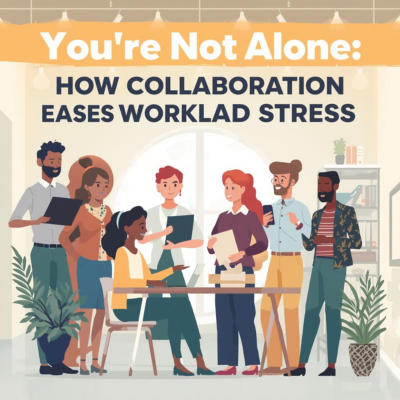
In today’s fast-paced professional world, workload stress is something almost every employee, freelancer, and business leader experiences. Tight deadlines, high targets, multitasking, and constantly changing expectations often create mental and emotional pressure. Many people feel they must handle everything on their own.
But the truth is—you’re not alone.
One of the most powerful ways to reduce workload stress is through collaboration. When people work together, tasks feel lighter, solutions come faster, and stress levels drop significantly. This blog explores how collaboration eases workload stress, its psychological and practical benefits, and how you can build a collaborative work culture to improve productivity and well-being.
What Is Collaboration in the Workplace?
Collaboration means working together toward a shared goal, where each individual contributes their skills, experience, and ideas.
Examples of workplace collaboration include:
- Team-based projects
- Open communication and idea sharing
- Clear distribution of responsibilities
- Mutual support and constructive feedback
True collaboration goes beyond task-sharing—it builds trust, connection, and collective growth.
Why Workload Stress Is Increasing
Before understanding how collaboration helps, it’s important to know why workload stress is rising:
1. Multitasking Culture
Managing multiple tasks at once drains mental energy and increases pressure.
2. Unrealistic Deadlines
Unclear or tight deadlines create constant urgency and anxiety.
3. Lack of Support
When people feel unsupported, stress multiplies.
4. Fear of Asking for Help
Many professionals believe asking for help is a sign of weakness.
5. Remote Work Isolation
Remote and hybrid work environments can reduce social connection, leading to loneliness and stress.
How Collaboration Reduces Workload Stress

1. Shared Responsibility Reduces Pressure
When tasks are distributed across a team, no single person carries the full burden. This instantly lowers mental pressure and makes work more manageable.
2. Emotional Support Builds Resilience
Supportive teams create psychological safety. Knowing that others understand your challenges strengthens emotional resilience.
3. Faster and Better Problem-Solving
Multiple perspectives lead to quicker, more effective solutions compared to working alone.
4. Increased Confidence and Motivation
Collaboration reassures individuals that help is available, boosting confidence and motivation.
5. Lower Risk of Burnout
Balanced workloads and shared efforts reduce chronic stress and prevent burnout.
Psychological Benefits of Collaboration
- Reduced feelings of isolation
- Lower stress and anxiety levels
- Positive and supportive work environment
- Improved mental well-being
- Increased self-confidence
A psychologically safe workplace leads to healthier and more productive employees.
Collaboration vs. Competition: Which Is Better?
Excessive competition often creates fear and pressure, while collaboration fosters trust and balance.
| Competition | Collaboration |
|---|---|
| Increases stress | Reduces stress |
| Creates isolation | Builds support |
| Leads to burnout | Promotes balance |
For long-term success, collaboration consistently outperforms competition.
Real-Life Examples of Collaboration Reducing Stress

Example 1: Team-Based Deadlines
When project responsibilities are shared, deadlines become achievable and outcomes improve.
Example 2: Peer Support at Work
A simple conversation with a colleague can instantly reduce emotional stress.
Example 3: Cross-Functional Teams
People with diverse skills working together simplify complex challenges.
How to Build a Culture of Collaboration
1. Encourage Open Communication
Create an environment where everyone feels safe to share ideas and concerns.
2. Normalize Asking for Help
Asking for help should be viewed as strength, not weakness.
3. Define Roles Clearly
Clear responsibilities prevent confusion and reduce stress.
4. Use Collaboration Tools
- Slack
- Microsoft Teams
- Trello
- Asana
5. Celebrate Team Achievements
Recognizing team success strengthens trust and motivation.
Collaboration in Remote and Hybrid Work Environments
Collaboration is even more critical in remote settings:
- Regular virtual meetings
- Consistent check-ins
- Online team-building activities
- Clear communication channels
Digital collaboration helps reduce isolation and keeps teams connected.
Common Myths About Collaboration
Myth 1: Collaboration Slows Down Work
Truth: Effective collaboration speeds up execution and improves quality.
Myth 2: Asking for Help Shows Weakness
Truth: It shows self-awareness and emotional intelligence.
Myth 3: Working Alone Is More Efficient
Truth: For complex tasks, teamwork delivers better results.
Conclusion: Together Is Better

Workload stress is a reality of modern work life, but facing it alone is not the solution. Collaboration transforms pressure into shared strength.
When people support each other, work becomes lighter, healthier, and more meaningful.
Remember—you’re not alone.
आप अकेले नहीं हैं: सहयोग कैसे कार्यभार के तनाव को कम करता है
परिचय: कार्यभार का तनाव एक साझा अनुभव क्यों है
आज की तेज़ रफ्तार प्रोफेशनल दुनिया में कार्यभार का तनाव लगभग हर कर्मचारी, फ्रीलांसर और बिज़नेस लीडर महसूस करता है। कड़ी समय-सीमाएँ, ऊँचे लक्ष्य, मल्टीटास्किंग और लगातार बदलती अपेक्षाएँ मानसिक और भावनात्मक दबाव पैदा करती हैं। कई लोग मानते हैं कि उन्हें सब कुछ अकेले ही संभालना होगा।
लेकिन सच्चाई यह है—आप अकेले नहीं हैं।
कार्यभार के तनाव को कम करने का सबसे प्रभावी तरीका है सहयोग (Collaboration)। जब लोग मिलकर काम करते हैं, तो काम हल्का लगता है, समाधान जल्दी मिलते हैं और तनाव का स्तर काफी कम हो जाता है। यह ब्लॉग बताएगा कि सहयोग कैसे कार्यभार के तनाव को कम करता है, इसके मनोवैज्ञानिक और व्यावहारिक लाभ क्या हैं, और आप अपने कार्यस्थल पर सहयोग की संस्कृति कैसे विकसित कर सकते हैं।
कार्यस्थल पर सहयोग क्या है?
सहयोग का अर्थ है—एक साझा लक्ष्य को प्राप्त करने के लिए मिलकर काम करना, जहाँ हर व्यक्ति अपनी क्षमताओं, अनुभवों और विचारों का योगदान देता है।
कार्यस्थल पर सहयोग के उदाहरण:
- टीम-आधारित प्रोजेक्ट्स
- खुला संवाद और विचार साझा करना
- जिम्मेदारियों का स्पष्ट वितरण
- आपसी सहयोग और सकारात्मक फीडबैक
सच्चा सहयोग केवल काम बाँटने तक सीमित नहीं होता, बल्कि यह विश्वास, जुड़ाव और सामूहिक विकास को भी बढ़ाता है।
कार्यभार का तनाव क्यों बढ़ रहा है?
सहयोग के लाभ समझने से पहले यह जानना ज़रूरी है कि कार्यभार का तनाव बढ़ क्यों रहा है:
1. मल्टीटास्किंग संस्कृति
एक साथ कई काम करने की अपेक्षा मानसिक ऊर्जा को तेजी से खत्म कर देती है।
2. अवास्तविक समय-सीमाएँ
कठोर और अस्पष्ट डेडलाइन लगातार दबाव और चिंता पैदा करती हैं।
3. सहयोग की कमी
जब व्यक्ति को समर्थन नहीं मिलता, तो तनाव कई गुना बढ़ जाता है।
4. मदद माँगने का डर
कई प्रोफेशनल्स मदद माँगने को कमजोरी मानते हैं।
5. रिमोट वर्क में अकेलापन
रिमोट और हाइब्रिड वर्क में सामाजिक जुड़ाव कम हो जाता है, जिससे तनाव बढ़ता है।
सहयोग कैसे कार्यभार के तनाव को कम करता है
1. साझा जिम्मेदारी दबाव को कम करती है
जब काम टीम में बाँटा जाता है, तो किसी एक व्यक्ति पर पूरा बोझ नहीं पड़ता। इससे मानसिक दबाव तुरंत कम होता है।
2. भावनात्मक समर्थन मानसिक मजबूती बढ़ाता है
सहयोगी टीम में लोग सुरक्षित और समझे हुए महसूस करते हैं, जिससे तनाव सहने की क्षमता बढ़ती है।
3. समस्याओं का तेज़ और बेहतर समाधान
अलग-अलग दृष्टिकोण मिलकर जटिल समस्याओं को जल्दी और प्रभावी ढंग से सुलझाते हैं।
4. आत्मविश्वास और प्रेरणा में वृद्धि
यह जानना कि ज़रूरत पड़ने पर मदद मिलेगी, आत्मविश्वास को बढ़ाता है।
5. बर्नआउट का जोखिम कम होता है
संतुलित कार्यभार और साझा प्रयास लंबे समय के तनाव और थकान को रोकते हैं।
सहयोग के मनोवैज्ञानिक लाभ
- अकेलेपन की भावना में कमी
- तनाव और चिंता में गिरावट
- सकारात्मक और सहयोगी कार्य वातावरण
- बेहतर मानसिक स्वास्थ्य
- आत्मविश्वास में वृद्धि
मनोवैज्ञानिक रूप से सुरक्षित कार्यस्थल अधिक स्वस्थ और उत्पादक होते हैं।
सहयोग बनाम प्रतिस्पर्धा: कौन बेहतर है?
अत्यधिक प्रतिस्पर्धा डर और दबाव बढ़ाती है, जबकि सहयोग विश्वास और संतुलन लाता है।
| प्रतिस्पर्धा | सहयोग |
|---|---|
| तनाव बढ़ता है | तनाव कम होता है |
| अकेलापन | टीम समर्थन |
| बर्नआउट | संतुलन |
लंबी अवधि में सहयोग हमेशा अधिक प्रभावी साबित होता है।
वास्तविक जीवन के उदाहरण: सहयोग कैसे तनाव कम करता है
उदाहरण 1: टीम-आधारित डेडलाइन
जब प्रोजेक्ट की जिम्मेदारी टीम में बाँटी जाती है, तो समय पर और बेहतर परिणाम मिलते हैं।
उदाहरण 2: कार्यस्थल पर सहकर्मी समर्थन
किसी सहकर्मी से बातचीत करने मात्र से भावनात्मक तनाव कम हो जाता है।
उदाहरण 3: क्रॉस-फंक्शनल टीमें
विभिन्न कौशल वाले लोग मिलकर जटिल कार्यों को आसान बना देते हैं।
सहयोग की संस्कृति कैसे विकसित करें
1. खुला संवाद प्रोत्साहित करें
ऐसा वातावरण बनाएँ जहाँ हर व्यक्ति खुलकर अपनी बात रख सके।
2. मदद माँगना सामान्य बनाएँ
मदद माँगना कमजोरी नहीं, समझदारी है।
3. भूमिकाएँ स्पष्ट करें
स्पष्ट जिम्मेदारियाँ भ्रम और तनाव कम करती हैं।
4. सहयोगी टूल्स का उपयोग करें
- Slack
- Microsoft Teams
- Trello
- Asana
5. टीम की उपलब्धियों का जश्न मनाएँ
सामूहिक सफलता को पहचान देना भरोसा और प्रेरणा बढ़ाता है।
रिमोट और हाइब्रिड वर्क में सहयोग
रिमोट वर्क में सहयोग और भी ज़रूरी हो जाता है:
- नियमित वर्चुअल मीटिंग्स
- लगातार चेक-इन
- ऑनलाइन टीम-बिल्डिंग गतिविधियाँ
- स्पष्ट कम्युनिकेशन चैनल्स
डिजिटल सहयोग अकेलेपन को कम करता है और टीम को जोड़े रखता है।
सहयोग से जुड़े आम मिथक
मिथक 1: सहयोग काम को धीमा करता है
सच्चाई: सही सहयोग काम को तेज़ और बेहतर बनाता है।
मिथक 2: मदद माँगना कमजोरी है
सच्चाई: यह आत्म-जागरूकता और समझदारी का संकेत है।
मिथक 3: अकेले काम करना ज़्यादा प्रभावी है
सच्चाई: जटिल कार्यों में टीमवर्क बेहतर परिणाम देता है।
निष्कर्ष: साथ मिलकर काम करना ही बेहतर है
कार्यभार का तनाव आधुनिक कार्यजीवन की सच्चाई है, लेकिन इसे अकेले झेलना समाधान नहीं है। सहयोग दबाव को साझा शक्ति में बदल देता है।
जब लोग एक-दूसरे का समर्थन करते हैं, तो काम हल्का, स्वस्थ और अधिक अर्थपूर्ण बन जाता है।
याद रखें—आप अकेले नहीं हैं।