

In today’s fast-paced digital world, it’s common to feel overwhelmed by an ever-growing list of tasks. From work deadlines and meetings to personal errands and long-term goals, the pressure to manage everything can quickly become unbearable. If you often feel stressed, distracted, or confused, you’re not alone.
The good news is that you don’t need complicated methods or expensive tools to change your messy agenda into a streamlined system. With a few simple strategies and the right approach, you can go from being extremely busy to an organized state and maintain it.
Why your task list overwhelms you?
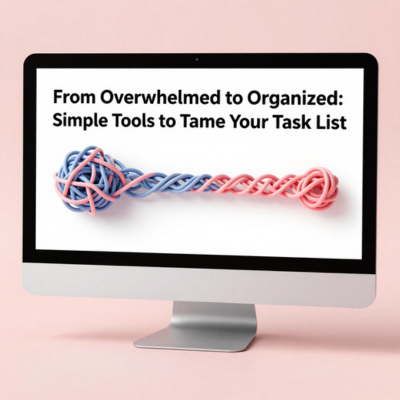
Before diving into solutions, it’s important to understand the root of the problem. Feeling overwhelmed usually isn’t about having too much to do—it’s about not having a clear system to manage it.
Here are some common reasons for people’s problems:
- Lack of prioritization: Everything feels urgent
- Too many scattered notes: Tasks spread across apps, notebooks, and memory
- Unrealistic expectations: Trying to do too much in too little time
- Decision fatigue: Constantly choosing what to do next
- No clear deadlines: Tasks linger indefinitely
When your brain tries to track everything at once, it becomes overloaded. This leads to procrastination, stress, and decreased productivity.
The Benefits of an Organized Task System
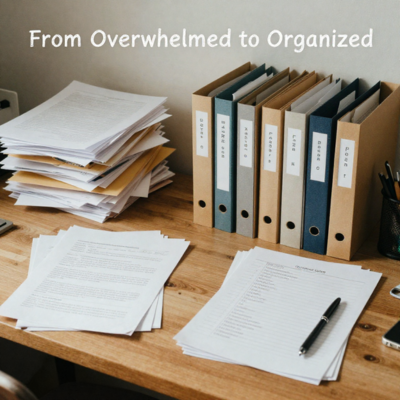
Creating a structured task management system offers powerful benefits:
- Improved focus and clarity
- Reduced stress and anxiety
- Better time management
- Increased productivity
- Greater sense of control and achievement
An organized approach allows your brain to relax because it no longer has to remember everything—you have a system that does it for you.
Step 1: Capture Everything in One Place
The first step toward organization is simple but crucial: stop relying on your memory.
Use a Centralized Task Hub
Choose one place where all your tasks live. This could be:
- A digital app
- A notebook
- A planner
The key is consistency. When tasks are scattered, you waste time searching and risk forgetting important items.
Brain Dump Technique
Start by doing a “brain dump.” Write down every task, idea, and responsibility currently on your mind. Don’t organize yet—just capture everything.
This simple exercise:
- Clears mental clutter
- Reduces anxiety
- Gives you a complete picture of your workload
Step 2: Prioritize What Truly Matters
Once everything is captured, the next step is prioritization.
The Eisenhower Matrix
This popular method divides tasks into four categories:
- Urgent and important – Do immediately
- Important but not urgent – Schedule
- Urgent but not important – Delegate
- Neither urgent nor important – Eliminate
This helps you focus on meaningful work instead of reacting to everything.
The 80/20 Rule (Pareto Principle)
Roughly 80% of results come from 20% of efforts. Identify the tasks that deliver the biggest impact and prioritize those.
Step 3: Break Tasks into Smaller Steps
Large tasks often feel intimidating, which leads to procrastination.
Make Tasks Actionable
Instead of writing:
- “Complete project”
Break it into:
- Research topic
- Create outline
- Write draft
- Edit content
Smaller tasks are easier to start and complete, giving you a sense of progress and momentum.
Step 4: Use Simple Task Management Tools
You don’t need complex systems to stay organized. Here are some simple yet powerful tools:
1. To-Do List Apps
Digital tools help you manage tasks efficiently. Features often include:
- Due dates
- Reminders
- Categorization
- Progress tracking
They’re especially useful for people who are always on their phones or computers.
2. Calendar and Time Blocking
Time blocking involves assigning specific time slots to tasks.
Example:
- 9:00–10:00 AM: Emails
- 10:00–12:00 PM: Deep work
Benefits:
- Reduces distractions
- Improves focus
- Prevents overbooking
When your day is planned, you don’t waste energy deciding what to do next.
3. The Two-Minute Rule
If a task takes less than two minutes, do it immediately.
This prevents small tasks from piling up and cluttering your list.
4. Kanban Boards
A simple visual system with three columns:
- To Do
- In Progress
- Done
This method helps you track progress visually and stay motivated.
5. Daily Planner
A daily planner helps structure your day with:
- Top priorities
- Scheduled tasks
- Notes and reflections
It keeps your focus on what matters most today.
Step 5: Avoid Multitasking
Multitasking may seem efficient, but it actually reduces productivity.
Switching between tasks:
- Increases errors
- Wastes time
- Drains mental energy
Focus on One Task at a Time
Use techniques like:
- Pomodoro Technique (25-minute focused sessions)
- Deep work sessions
Single-tasking leads to higher quality work and faster completion.
Step 6: Build Consistent Habits
Even the best tools won’t help without consistency.
Daily Task Review
Spend 5–10 minutes each day:
- Reviewing tasks
- Updating priorities
- Planning the next day
Weekly Reset
Once a week:
- Review completed tasks
- Adjust goals
- Plan upcoming priorities
Consistency turns organization into a habit rather than a temporary fix.
Step 7: Learn to Say No
One of the biggest reasons for overwhelm is overcommitment.
You don’t have to accept every request.
Protect Your Time
Ask yourself:
- Does this align with my goals?
- Do I realistically have time for this?
Saying no to low-priority tasks creates space for what truly matters.
Step 8: Reduce Digital and Mental Clutter
Clutter—both physical and digital—adds to overwhelm.
Simplify Your System
- Use fewer apps
- Keep your workspace clean
- Organize files and documents
A clean environment promotes a clear mind.
Step 9: Track Progress and Celebrate Wins
Tracking progress keeps you motivated.
Why It Matters
- Reinforces positive habits
- Builds momentum
- Boosts confidence
Even small wins deserve recognition. Completing tasks consistently builds a sense of accomplishment.
Common Mistakes to Avoid
While building your task management system, watch out for these pitfalls:
- Overcomplicating your system
- Using too many tools
- Ignoring priorities
- Skipping daily reviews
- Setting unrealistic goals
Keep things simple and sustainable.
Creating Your Personalized System
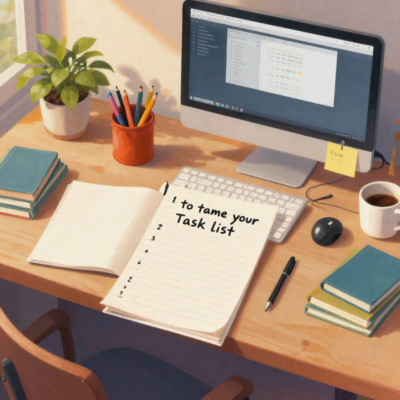
There is no one-size-fits-all solution. The best system is the one you’ll actually use.
Ask Yourself:
- Do I prefer digital or paper tools?
- How many tasks do I manage daily?
- Do I need reminders and alerts?
Start small, experiment, and adjust until you find what works best.
Final Thoughts: From Chaos to Control
Moving from overwhelmed to organized isn’t about perfection—it’s about progress.
By:
- Capturing tasks in one place
- Prioritizing effectively
- Using simple tools
- Building consistent habits
—you can take control of your time and reduce stress significantly.
Remember, organization is not a one-time fix. It’s an ongoing process that evolves with your life and responsibilities.
Start today with one small step. Write down your tasks, choose a simple tool, and commit to using it consistently.
Over time, you’ll notice a powerful shift—not just in your productivity, but in your mindset. Instead of feeling overwhelmed, you’ll feel focused, confident, and in control.
ओवरवेल्म से ऑर्गनाइज़्ड तक: अपनी टास्क लिस्ट को संभालने के आसान टूल्स
आज की तेज़-रफ्तार डिजिटल दुनिया में, बढ़ती हुई टास्क लिस्ट के नीचे दबा हुआ महसूस करना बहुत आम बात है। काम की डेडलाइन, मीटिंग्स, पर्सनल जिम्मेदारियाँ और लंबे समय के लक्ष्य—इन सबको मैनेज करना कभी-कभी मुश्किल हो जाता है। अगर आप अक्सर तनाव, उलझन या “कहां से शुरू करें” वाली स्थिति में फंस जाते हैं, तो आप अकेले नहीं हैं।
अच्छी खबर यह है कि अपने बिखरे हुए कामों को व्यवस्थित करने के लिए आपको किसी जटिल सिस्टम या महंगे टूल्स की जरूरत नहीं है। कुछ आसान रणनीतियों और सही तरीके अपनाकर आप अपने काम को बेहतर तरीके से संभाल सकते हैं।
क्यों आपकी टास्क लिस्ट आपको ओवरवेल्म कर देती है
समाधान जानने से पहले, समस्या को समझना जरूरी है। ओवरवेल्म होना अक्सर काम की मात्रा की वजह से नहीं, बल्कि उसे मैनेज करने के सिस्टम की कमी के कारण होता है।
कुछ आम कारण:
- प्राथमिकता तय न कर पाना
- अलग-अलग जगहों पर बिखरे हुए नोट्स
- अवास्तविक उम्मीदें
- हर समय निर्णय लेने की थकान
- स्पष्ट डेडलाइन का अभाव
जब आपका दिमाग हर चीज़ को याद रखने की कोशिश करता है, तो वह जल्दी थक जाता है। यही तनाव और टालमटोल (procrastination) की वजह बनता है।
एक ऑर्गनाइज़्ड सिस्टम के फायदे
अगर आपकी टास्क लिस्ट व्यवस्थित हो जाए, तो आपको ये फायदे मिलते हैं:
- बेहतर फोकस और स्पष्टता
- कम तनाव और चिंता
- बेहतर टाइम मैनेजमेंट
- अधिक उत्पादकता
- काम पर कंट्रोल का एहसास
जब आपके पास एक सिस्टम होता है, तो आपका दिमाग हल्का महसूस करता है क्योंकि उसे सब कुछ याद रखने की जरूरत नहीं होती।
स्टेप 1: सभी काम एक जगह लिखें
पहला और सबसे जरूरी कदम है—अपने दिमाग पर भरोसा करना बंद करें।
एक सेंट्रल जगह चुनें
एक ऐसी जगह तय करें जहां आप अपने सारे काम लिखें:
- मोबाइल ऐप
- नोटबुक
- प्लानर
सबसे जरूरी है—कंसिस्टेंसी।
ब्रेन डंप तकनीक
अपने दिमाग में चल रहे सभी कामों को एक जगह लिख लें।
इससे:
- मानसिक तनाव कम होता है
- दिमाग साफ होता है
- आपको पूरे काम का स्पष्ट चित्र मिलता है
स्टेप 2: सही प्राथमिकता तय करें
अब जब आपके पास सभी टास्क हैं, तो उन्हें प्राथमिकता देना जरूरी है।
आइज़नहावर मैट्रिक्स
टास्क को चार हिस्सों में बांटें:
- जरूरी और महत्वपूर्ण – तुरंत करें
- महत्वपूर्ण लेकिन जरूरी नहीं – शेड्यूल करें
- जरूरी लेकिन महत्वपूर्ण नहीं – डेलीगेट करें
- न जरूरी, न महत्वपूर्ण – हटा दें
80/20 नियम
80% रिजल्ट सिर्फ 20% काम से आते हैं। इसलिए उन कामों पर ध्यान दें जो सबसे ज्यादा असर डालते हैं।
स्टेप 3: बड़े काम को छोटे हिस्सों में बांटें
बड़े टास्क डरावने लगते हैं, इसलिए हम उन्हें टालते हैं।
काम को आसान बनाएं
“प्रोजेक्ट पूरा करें” की जगह लिखें:
- रिसर्च करें
- आउटलाइन बनाएं
- ड्राफ्ट लिखें
- एडिट करें
छोटे काम जल्दी पूरे होते हैं और मोटिवेशन बढ़ाते हैं।
स्टेप 4: आसान टूल्स का उपयोग करें
आपको जटिल सिस्टम की जरूरत नहीं है।
1. टू-डू लिस्ट ऐप
इनमें आप:
- टास्क जोड़ सकते हैं
- डेडलाइन सेट कर सकते हैं
- रिमाइंडर पा सकते हैं
2. टाइम ब्लॉकिंग
अपने दिन को टाइम स्लॉट्स में बांटें।
उदाहरण:
- 9–10 बजे: ईमेल
- 10–12 बजे: काम
फायदे:
- फोकस बढ़ता है
- डिस्ट्रैक्शन कम होता है
3. टू-मिनट रूल
अगर कोई काम 2 मिनट में हो सकता है, तो उसे तुरंत कर लें।
4. कानबन बोर्ड
तीन कॉलम बनाएं:
- To Do
- In Progress
- Done
यह आपके काम की प्रगति दिखाता है।
5. डेली प्लानर
हर दिन के लिए:
- टॉप टास्क
- शेड्यूल
- नोट्स
स्टेप 5: मल्टीटास्किंग से बचें
मल्टीटास्किंग आपकी उत्पादकता घटाती है।
एक समय में एक काम करें
- पोमोडोरो तकनीक (25 मिनट फोकस)
- डीप वर्क
स्टेप 6: नियमित आदत बनाएं
रोज़ाना रिव्यू करें
5–10 मिनट निकालें:
- टास्क देखें
- प्लान बनाएं
साप्ताहिक प्लानिंग
- प्रगति देखें
- अगले सप्ताह की योजना बनाएं
स्टेप 7: “ना” कहना सीखें
हर काम जरूरी नहीं होता।
अपने समय की रक्षा करें
सोचें:
- क्या यह जरूरी है?
- क्या मेरे पास समय है?
स्टेप 8: क्लटर कम करें
- कम ऐप्स इस्तेमाल करें
- साफ वर्कस्पेस रखें
- फाइल्स व्यवस्थित रखें
स्टेप 9: प्रोग्रेस ट्रैक करें
छोटी-छोटी उपलब्धियों को सेलिब्रेट करें।
आम गलतियाँ
- सिस्टम को जटिल बनाना
- बहुत ज्यादा टूल्स इस्तेमाल करना
- प्राथमिकता न देना
- अवास्तविक लक्ष्य रखना
अपना सिस्टम बनाएं
हर व्यक्ति अलग होता है।
खुद से पूछें:
- डिजिटल या पेपर?
- कितने टास्क रोज़ होते हैं?
निष्कर्ष: अव्यवस्था से नियंत्रण तक
ओवरवेल्म से ऑर्गनाइज़्ड बनने का सफर एक दिन में नहीं होता।
लेकिन अगर आप:
- सभी काम एक जगह
- सही व्यवस्थाएं
- आसान उपकरण अपनाएं
- नियमित रहना
तो आप अपने समय और जीवन पर बेहतर नियंत्रण पा सकते हैं।
आज से शुरुआत करें—छोटा कदम छोटा कदम, और धीरे-धीरे बदलाव देखें।